
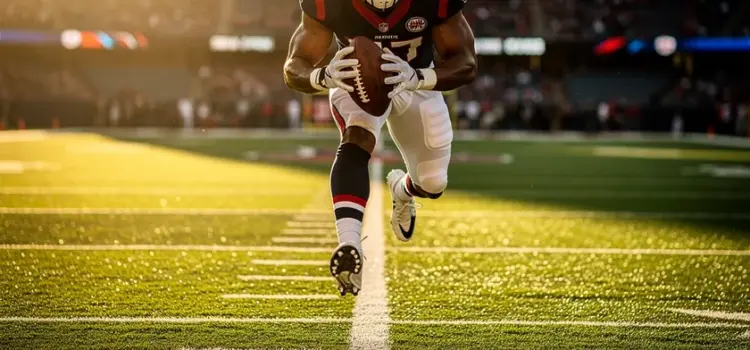
The Pittsburgh Steelers are stuck in neutral this offseason, and the reason is simple: nobody knows if Aaron Rodgers is coming back. As of March 24, 2026, the franchise has signed new weapons and reshuffled its skill positions, yet the most important roster question — who lines up under center — stays wide open.
That uncertainty trickles down to players already in the building. Wide receiver Michael Pittman Jr., one of the Steelers’ marquee offseason additions, told reporters he deliberately held off pressing Rodgers for answers, choosing patience over confrontation while the 42-year-old quarterback sorts out his future.
Why the Pittsburgh Steelers Are Sitting on Their Hands
Pittsburgh’s front office brass appears to have a working theory on Rodgers’ intentions. The numbers back it up. The Pittsburgh Steelers keep adding offensive weapons rather than pivoting to a full quarterback search, which signals the organization expects a veteran signal-caller who can use those pieces — not a rookie learning on the fly.
Pittman Jr. brings a 6-foot-4 frame and a reliable target-share track record from his Indianapolis Colts tenure. Dowdle, fresh off a strong finish with the Dallas Cowboys, adds a pass-catching dimension out of the backfield. Stack those two alongside DK Metcalf and running back Jaylen Warren, and Pittsburgh has built an offensive toolkit that would flatter almost any starting quarterback in the league.
Pittsburgh took Rodgers to the playoffs last season. That result buys him goodwill and, more practically, it buys him time. The Pittsburgh Steelers are not going to rush a Hall of Fame-caliber quarterback into a decision when waiting a few more weeks costs nothing but calendar days. Every day without clarity, though, is a day rival AFC North teams like the Baltimore Ravens and Cleveland Browns can gain ground in free agency and draft prep.
What Pittman Jr. Said About the Aaron Rodgers Decision
Pittman Jr. addressed the Rodgers situation directly, and his comments reveal a locker-room culture of deliberate restraint. The wide receiver said he did not want to pressure Rodgers immediately after signing, citing their prior relationship as a reason to trust the process.
“I didn’t want to just get signed and then blow him up and be like, ‘Hey Aaron, what’s the deal?’” Pittman Jr. said. “But just give him time. Just knowing Aaron prior to this, I just think he’s gonna try and play as long as he can”.
That quote tells you a lot about how Rodgers operates. He has always been a deliberate decision-maker — sometimes to a fault from a team-planning standpoint — and Pittman Jr.’s read aligns with a pattern Rodgers established during his Green Bay Packers years and repeated with the New York Jets. The film on Rodgers’ offseason behavior is consistent: he takes his time, then commits fully once he decides.
Pittsburgh‘s coaching staff, led by head coach Mike Tomlin, has navigated quarterback drama before. Tomlin spent years managing the Ben Roethlisberger transition and then a revolving door of starters. Handling Rodgers’ deliberate timeline is a different kind of challenge — less about dysfunction, more about keeping new acquisitions engaged while the calendar pages turn.
Pittsburgh Steelers Offensive Weapons Are Ready Either Way
The Pittsburgh Steelers now carry one of the deeper skill-position groups in the AFC, and that depth changes the play-action rate and red zone efficiency for whoever calls the plays. DK Metcalf gives Pittsburgh a legitimate X receiver who wins on go routes and contested catches. Pittman Jr. slots as a possession target on intermediate routes — the kind of receiver who keeps chains moving on third-and-medium. Dowdle’s value is scheme-specific: a back who threatens linebackers in coverage changes the entire defensive alignment Pittsburgh faces each week.
Jaylen Warren stays in the backfield rotation as a physical between-the-tackles option that complements Dowdle’s receiving skills. The Pittsburgh Steelers have invested heavily in versatile offensive pieces that work in both gap and zone-blocking schemes, which suggests the coaching staff wants flexibility no matter which quarterback lines up behind center.
One counterargument worth raising: loading up on skill players before locking in a quarterback is a calculated risk. If Rodgers walks away and Pittsburgh turns to a younger, less-proven starter, the target-share distribution for Pittman Jr. and Metcalf could look very different. A bridge quarterback typically leans on shorter, safer routes rather than the downfield shots that make Metcalf’s salary cap hit justifiable.
Key Developments in the Pittsburgh Steelers Offseason
- Pittman Jr. confirmed a pre-existing personal relationship with Rodgers that predates his Steelers signing — that connection shaped his decision to stay patient rather than demand immediate clarity.
- Rico Dowdle was added alongside Jaylen Warren, giving Pittsburgh two pass-catching backs who can stress linebackers in coverage on the same depth chart.
- Pittsburgh’s front office has not publicly set a deadline for Rodgers’ decision, mirroring how the organization handled the Roethlisberger retirement timeline in 2022.
- Rodgers at age 42 is among the oldest active quarterbacks in NFL history to face a contract decision of this magnitude, a context that shapes every conversation about his return.
- The 2026 NFL Draft in late April functions as a hard planning deadline — if Pittsburgh wants a quarterback prospect, the front office must identify and commit to a target before draft weekend.
What Happens Next for Pittsburgh’s QB Search?
Pittsburgh Steelers general manager Omar Khan’s next move depends entirely on a phone call from Rodgers. Based on available roster construction data, Pittsburgh has structured its offseason to accommodate either outcome: a Rodgers return slots into a ready-made system, while a pivot to the open market or the draft would require immediate acceleration.
The AFC North salary cap picture adds pressure. Baltimore has already made moves. Cincinnati’s Joe Burrow is locked in long-term. Pittsburgh cannot enter training camp without a clear answer at the position. Tomlin has built a culture of accountability — an unresolved quarterback situation heading into July would be unusual for this organization, even by recent standards.
Over three consecutive offseasons, the Pittsburgh Steelers have prioritized veteran stability at quarterback over youth development. That organizational philosophy makes a Rodgers return the path of least resistance, assuming he is physically ready and motivated. The weapons are in place. The coaching staff is aligned. One man, one decision.
Will Aaron Rodgers return to the Pittsburgh Steelers in 2026?
No official decision has been announced as of March 24, 2026. Rodgers is taking his time, and Pittsburgh’s front office appears content to wait. New Steelers receiver Michael Pittman Jr. said he believes Rodgers will try to play as long as he can, based on their prior personal relationship. The NFL Draft in late April functions as a practical planning deadline for the franchise.
Who did the Pittsburgh Steelers sign in the 2026 offseason?
Pittsburgh added wide receiver Michael Pittman Jr., formerly of the Indianapolis Colts, and running back Rico Dowdle, who spent time with the Dallas Cowboys. Both join a skill group that already includes wide receiver DK Metcalf and running back Jaylen Warren. Pittman Jr. recorded at least 60 receptions in three straight seasons with Indianapolis before the move.
Did the Pittsburgh Steelers make the playoffs in 2025?
Yes. Pittsburgh reached the postseason in 2025 with Aaron Rodgers starting at quarterback. That playoff appearance directly influences the front office’s patience — the organization has tangible proof the Rodgers-led roster can compete in January, which is why a full quarterback reset has not been triggered despite the prolonged timeline.
How does Michael Pittman Jr. fit the Pittsburgh Steelers offense?
Pittman Jr. projects as a possession receiver using his 6-foot-4 frame on intermediate routes and third-down conversions. His role differs from DK Metcalf’s deep-threat profile, giving Pittsburgh two distinct receiver archetypes. During his Colts tenure, Pittman Jr. averaged over 13 yards per reception in multiple seasons, a rate that holds up well in a vertical-leaning West Coast system.
What is Aaron Rodgers’ age heading into the 2026 NFL season?
Aaron Rodgers is 42 years old during the 2026 offseason. Tom Brady played until age 45 for context, but Rodgers carries a 2023 Achilles injury history from his time with the New York Jets — a physical durability factor Brady did not face entering his final seasons. That injury history is part of why Pittsburgh’s medical staff evaluation carries as much weight as Rodgers’ personal decision timeline.
