
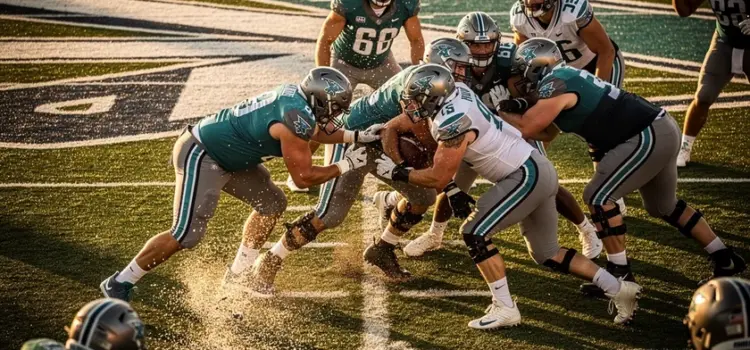
The Miami Dolphins enter the 2026 NFL Draft with one of the most loaded pick portfolios in the league, holding seven selections inside the top 100, including two first-round picks. NFL.com draft analyst Lance Zierlein called the haul a defining opportunity, one the Dolphins cannot afford to squander given the roster holes spread across the depth chart. The franchise’s competitive window depends heavily on how well the front office brass converts this draft capital into contributors.
The stakes are sharpened further by a recent roster move: Miami traded safety Minkah Fitzpatrick to the New York Jets in exchange for a late-round pick. That deal stripped one of the defense’s most recognizable names and underscored just how aggressively the organization is restructuring around this draft class.
Why the Miami Dolphins’ 2026 Draft Class Carries So Much Weight
The Dolphins’ 2026 draft class carries unusual weight because seven picks inside the top 100 is a rare concentration of early-round capital for any NFL franchise. Zierlein wrote that Miami “really need to make their mark in the 2026 draft,” citing holes spread across the roster that demand immediate attention. Two first-round selections give the organization flexibility to address multiple premium positions in a single class.
Breaking down the advanced metrics and roster construction, the Dolphins are not a team in a typical rebuild cycle. They carry legitimate offensive talent — Tua Tagovailoa’s play-action rate and target-share distribution to Tyreek Hill have produced above-average EPA numbers in recent seasons. The defensive side of the ball, however, has been inconsistent, and losing Fitzpatrick removes a rangy centerfield safety who covered for coverage lapses in the back end. Replacing that kind of positional value through the draft, rather than free agency, reflects a deliberate salary cap strategy.
The numbers suggest the Dolphins have assembled this capital through a combination of trades and positional restructuring, not simply through losing games. That distinction matters: a team picking in the top 32 twice while still fielding a functional offense is threading a narrow needle, and the margin for error on each selection shrinks accordingly.
What Holes Does Miami Need to Fill?
Miami’s roster gaps span both sides of the ball, with the defensive secondary now the most glaring need following the Fitzpatrick trade. Zierlein noted that “there are holes all over the roster that need to be filled” and framed this draft as “the best opportunity the Dolphins may get to set themselves up for future success”. Two first-round picks allow the front office to target a premium defender and an offensive weapon simultaneously.
The film shows a secondary that has struggled with deep coverage when safeties are asked to rotate late in zone schemes. Fitzpatrick’s ability to disguise pre-snap alignment masked some of those weaknesses. Without him, defensive coordinator adjustments will demand a replacement who can play both single-high and two-high looks — a rare profile that typically costs a first-round pick or a significant free-agent contract. Miami appears to be betting on the draft route.
On offense, the tight end and interior offensive line spots have drawn scrutiny from personnel evaluators. Tagovailoa’s clean-pocket passer rating has been strong, but his numbers under pressure drop sharply — a pattern that points directly to the need for improved pass protection at guard and center. Addressing the line in the middle rounds, while using first-round picks on skill and defensive positions, would reflect sound draft strategy analysis for a team trying to extend its competitive window without blowing up the salary cap.
Key Developments Heading Into Draft Weekend
- NFL.com analyst Lance Zierlein specifically identified Miami’s seven top-100 picks as a rare chance to “make their mark” on the franchise’s direction, framing the class as a potential accelerant for a short rebuild.
- The Dolphins sent Minkah Fitzpatrick to the New York Jets, receiving only a late-round pick in return — a compensation package that signals Miami prioritized clearing cap space over maximizing pick value.
- Miami holds two first-round selections in the 2026 draft, giving the front office the option to trade up, package picks, or simply take the best available player at two premium spots.
- Zierlein described the roster as having “holes all over,” a characterization that aligns with the team’s decision to move an established starter at safety rather than retain him through a potential rebuild.
- A successful 2026 draft class, per Zierlein’s projection, could compress the Dolphins’ rebuild timeline significantly — meaning the AFC East competitive balance could shift as early as the 2027 season.
Can the Miami Dolphins Turn Draft Capital Into a Fast Rebuild?
Miami‘s rebuild timeline is shorter than most, and the available draft capital makes a rapid turnaround plausible. Zierlein’s assessment is direct: hit on the majority of these seven top-100 picks, and the Dolphins avoid a prolonged down cycle. Miss on them, and the salary cap implications of a failed draft class could push the franchise further back than the current roster suggests.
The Miami Dolphins have a franchise quarterback already under contract in Tagovailoa, which is the single most important variable in any NFL rebuild. Teams that draft around a proven passer — rather than spending picks searching for one — compress their recovery windows dramatically. That context makes each of these seven picks more valuable than the raw slot number implies. A guard taken 68th overall who anchors a line protecting Tagovailoa for four years is worth far more to this franchise than the same pick used on a developmental quarterback by a team in full teardown mode.
One counterargument worth considering: draft capital is only as good as the evaluation process behind it. The Dolphins‘ recent draft history has been uneven, and converting seven top-100 picks into seven contributors would be an exceptional outcome by any front office’s standard. Based on available data, the more realistic target is four or five meaningful starters from this class — still enough to reshape the defensive scheme breakdown and add depth at multiple positions. Whether general manager Chris Grier and the scouting staff can hit that threshold will define the next two to three seasons in Miami.
How many picks do the Miami Dolphins have in the 2026 NFL Draft?
The Miami Dolphins hold seven picks inside the top 100 of the 2026 NFL Draft, including two first-round selections, according to NFL.com analyst Lance Zierlein. That concentration of early-round capital gives Miami one of the deepest draft portfolios among AFC teams this cycle and reflects a deliberate front-office decision to accumulate picks rather than spend them on veteran acquisitions.
Why did the Dolphins trade Minkah Fitzpatrick?
Miami traded safety Minkah Fitzpatrick to the New York Jets for a late-round pick, a move that suggests the organization prioritized salary cap flexibility over retaining a veteran starter. Fitzpatrick had been one of Miami’s most recognizable defensive players. The trade signals the front office is leaning on the 2026 draft class to rebuild the secondary rather than carrying expensive veterans through a transition period.
What positions do the Miami Dolphins most need to address in the 2026 draft?
Zierlein described the Dolphins as having “holes all over the roster,” but the most urgent needs following the Fitzpatrick trade are at safety and cornerback in the secondary. Interior offensive line and tight end have also been flagged by personnel evaluators as areas where Miami lacks reliable depth. The two first-round picks give the front office room to target both a defensive back and an offensive position in the premium rounds.
Who is the Miami Dolphins’ general manager heading into the 2026 draft?
Chris Grier serves as the Miami Dolphins’ general manager and will oversee the team’s 2026 draft decisions. Grier has held the GM role since 2016, making him one of the longer-tenured general managers in the AFC East. His draft record has been mixed, which adds pressure to this particular class given the volume of top-100 picks available and the clear roster needs the team must address.
How does the 2026 NFL Draft affect Miami Dolphins’ salary cap outlook?
Drafting seven players inside the top 100 means Miami will carry seven rookie contracts simultaneously, which are structured under the NFL’s slotted rookie wage scale and typically represent the most cost-efficient contracts on any roster. First-round picks carry four-year deals with a fifth-year option, giving the Dolphins team control through at least 2030 on their top selections. That structure allows the front office to manage dead money and reallocate cap space toward veteran extensions at key positions.
